Abortion Cost in Nepal: 2026 Guide to Safe & Legal Pricing
Find out the actual abortion cost in Nepal for 2026. Compare pricing for pills and MVA procedures at certified clinics and learn about free public services.
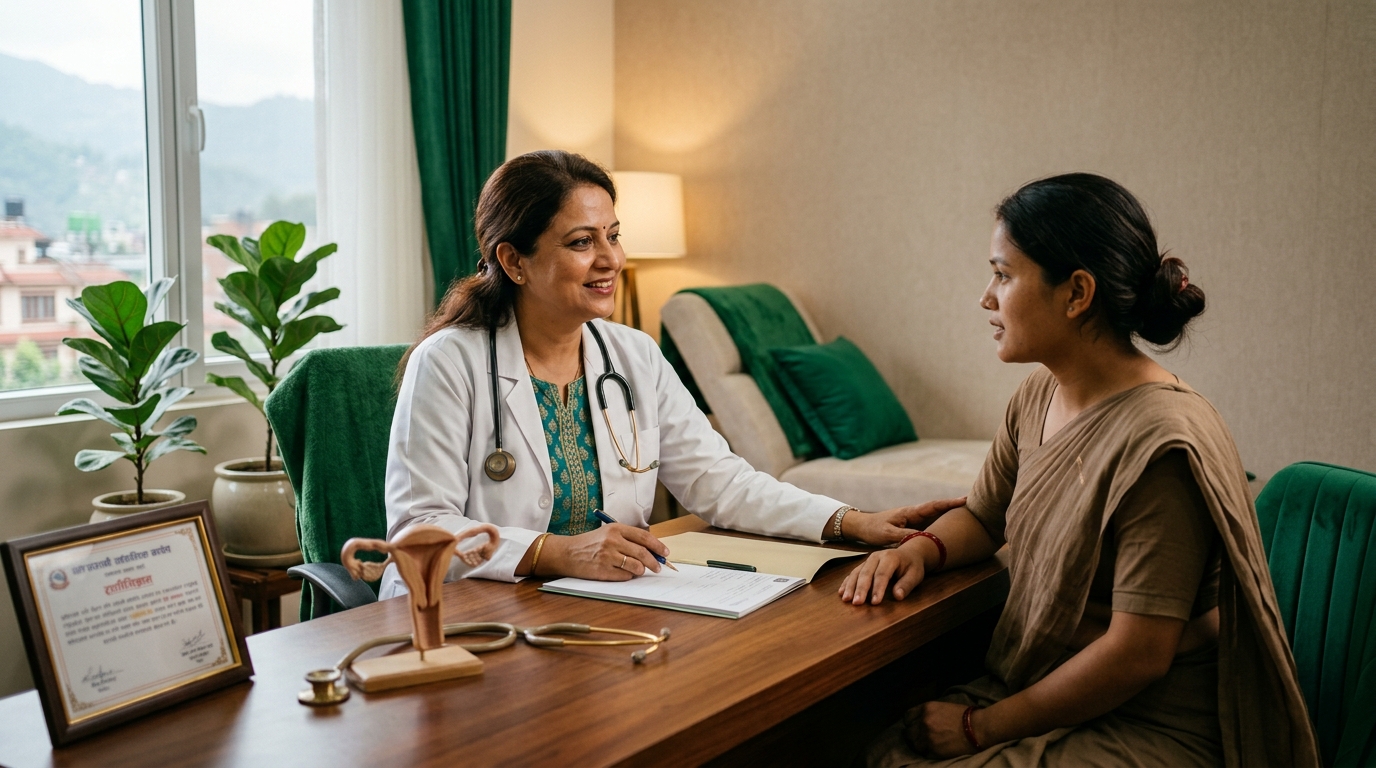
- Medically verified safe abortion guidance under Nepal law.
- Strict patient confidentiality guaranteed.
- Consult directly with senior female gynecologists.
Find out the actual abortion cost in Nepal for 2026. Compare pricing for pills and MVA procedures at certified clinics and learn about free public services.

If you are seeking an abortion in Nepal, understanding the costs involved is a practical first step. Pricing is not uniform across the country; it depends on the type of facility you choose, the method required, and how far the pregnancy has progressed. As of 2026, safe abortion services remain accessible through both public and private sectors, each with different pricing structures and levels of service.
Choosing the right provider is about more than just the price tag. It is about ensuring your health, privacy, and legal rights are protected throughout the process. This guide provides a detailed breakdown of what to expect financially when seeking reproductive healthcare in Nepal.
How Much Does Abortion Cost in Nepal?
The cost of a safe abortion in Nepal typically ranges from NPR 800 to NPR 4,000 for medical procedures (pills) in the private sector. For surgical methods, the price can range from NPR 5,000 to NPR 15,000 or more, depending on the clinic and the complexity of the case.
In Nepal, the public sector provides abortion services for free at government-listed health facilities. Private certified clinics charge service fees that cover specialized care, shorter wait times, and increased privacy. Understanding these two options helps you decide which environment best suits your needs and budget. Many women choose private clinics like Khushi Abortion Center for the personalized medical attention and the assurance of a confidential environment.
Legal Rights and the SMRHR Act
Before discussing costs, it is important to understand your legal standing. The 2018 Safe Motherhood and Reproductive Health Rights Act (SMRHR Act) established abortion as a fundamental legal right for women in Nepal. Under this law, abortion is legal:
- Up to 12 weeks of pregnancy for any woman on her own consent.
- Up to 28 weeks in cases of rape, incest, or if the woman's physical or mental health is at risk.
- Up to 28 weeks if the fetus has a serious deformity.
Because it is a legal right, you should never have to pay "hush money" or extra fees to keep the procedure a secret. Certified clinics provide transparent pricing and follow strict confidentiality protocols mandated by the government.
Factors That Determine the Total Cost
Abortion pricing is rarely a single fixed number because several medical and logistical factors influence the final bill. When comparing quotes, ensure you are looking at the total package cost rather than just the procedure fee.
1. Gestational Age
The length of the pregnancy is a primary factor. Procedures performed earlier in the first trimester (up to 10 or 12 weeks) are generally less expensive. As the pregnancy progresses, the medical requirements become more complex, often requiring different methods or more intensive clinical monitoring, which increases the price.
2. Procedure Method
The choice between pills and a clinical procedure significantly impacts the cost. You can learn more about the specific abortion methods available to determine which might be right for your situation.
- Medical Abortion: Uses medication to end a pregnancy. It is generally the least expensive clinical option.
- Surgical Abortion (MVA): A minor procedure that is completed in one visit. While the upfront cost is higher, it includes the use of a sterile procedure room and clinical staff.
3. Facility Type and Location
Public hospitals are free, but they often face high patient volumes and longer wait times. Private certified clinics in Kathmandu or other major cities charge for the convenience of scheduled appointments, private recovery rooms, and one-on-one nursing care.
4. Required Diagnostic Tests
A safe procedure requires confirmation of the pregnancy's age and location (to rule out an ectopic pregnancy). Most certified clinics will require:
- Ultrasound: Usually costs between NPR 1,000 and NPR 2,500.
- Blood Tests: To check blood type (Rh factor) and hemoglobin levels.
- Consultation Fee: A standard fee for the doctor’s time and expertise.
Cost of Medical Abortion (Abortion Pills) in Nepal
Medical abortion is a common choice for early pregnancies, typically up to 10 or 12 weeks. In private certified clinics, the cost for government-approved abortion medication usually falls between NPR 800 and NPR 4,000.
The Danger of "Black Market" Pills
It is vital to avoid buying pills from local pharmacies or unverified online sellers without a prescription. These "black market" medications are often sold at highly inflated prices (sometimes over NPR 10,000) and carry significant health risks. Unverified pills may be:
- Expired or counterfeit.
- The wrong dosage for your stage of pregnancy.
- Sold without necessary instructions for managing side effects.
Always obtain medication from a government-certified provider to ensure the pills are genuine and that you have medical backup in case of heavy bleeding or an incomplete abortion.
Cost of Surgical Abortion (MVA) in Nepal
Manual Vacuum Aspiration (MVA) is a safe, minor surgical procedure that takes approximately 10 to 15 minutes. It is often preferred by those who want the procedure completed immediately in a clinical setting rather than waiting days for pills to take effect.
In private clinics, MVA is typically offered as a package. This package generally includes:
- The procedure itself.
- Local anesthesia or sedation.
- A period of recovery in a private or semi-private room.
- Immediate post-procedure monitoring by a nurse.
Because it requires a sterile environment and trained medical staff, the cost for MVA is higher than that of medical abortion pills, but it provides the benefit of immediate medical confirmation that the procedure is complete.
Post-Abortion Care and Follow-Up Costs
Your healthcare doesn't end when you leave the clinic. Factoring in follow-up care is essential for a healthy recovery. At Khushi Abortion Center, we emphasize following safe recovery steps to prevent complications like infection.
Follow-Up Appointments
Most clinics recommend a follow-up visit 7 to 14 days after the procedure. This may involve a repeat ultrasound or a clinical exam to ensure the uterus is healing correctly. Some clinics include the first follow-up in their initial package, while others charge a small additional fee.
Contraception
Many women choose to start a new method of contraception immediately after an abortion. The cost of an IUD, implant, or injectable should be factored into your budget if you plan to start long-term birth control during your visit.
Avoiding Hidden Costs and Unsafe Procedures
When researching prices, the lowest quote is not always the safest. Uncertified or "underground" clinics may offer very low prices, but they often lack the emergency equipment and trained professionals required for safe care. These facilities frequently have hidden costs that appear once the procedure has begun—such as charging extra for "emergency" medication that should have been included.
Choosing a government-certified clinic ensures that you receive transparent pricing from the start. Certified clinics follow national safety protocols, use sterilized equipment, and provide clear breakdowns of their service fees, protecting you from both medical complications and financial surprises.
Conclusion: Getting an Accurate Quote
Because every medical situation is unique, the most reliable way to know your exact cost is to book a consultation. An initial assessment allows medical providers to confirm the pregnancy stage and recommend the most appropriate method for your health and budget.
At Khushi Abortion Center, we are committed to all-inclusive, transparent pricing. We believe that every individual deserves to know exactly what their care will cost without hidden fees. For a personalized estimate and to discuss your options in a private, professional setting, contact a certified clinic directly to schedule your visit. By prioritizing safety and choosing a certified provider, you can ensure that you receive the high-quality care you deserve at a fair and predictable price.
For confidential assistance or same-day appointments, contact Khushi Abortion Center in Kalanki, Kathmandu.
Frequently Asked Questions
Common clinical, legal, and privacy questions regarding safe reproductive healthcare in Nepal.
100% Confidential Healthcare Notice
Information provided in this article complies with Nepal Medical Council standards and is for educational empowerment. Individual medical decisions should always be confirmed via clinical consultation and pelvic ultrasound.
Have Personal Questions?
Speak directly with certified female doctors. No judgment, no parental or spousal consent required, 100% private.
Related Clinical & Legal Guides
Continue learning with verified medical facts from our gynecological team.
How Many Weeks Is Abortion Safe? Limits by Method
Abortion is safest the earlier it’s done. In the first 12 weeks with a trained provider, it carries very low risk, and risk rises gradually in the second trimester. This blog explains the safe time frame week by week, Nepal’s legal limits, medical vs surgical methods, who may need extra care, and what recovery looks like.
Safe Abortion Care in Nepal: Methods, Access & What to Expect
Safe abortion is legal in Nepal: up to 12 weeks by a woman’s own choice, and up to 28 weeks in special cases. It is very safe when a trained provider does it at an approved facility, using pills (up to about 9 weeks) or a short surgical procedure (MVA). Early care from a licensed provider is the best next step.
Abortion Recovery Time: 7 Steps for a Safe Recovery
Abortion recovery time after a surgical abortion is usually 1 to 2 days. Learn what to expect, how long bleeding lasts, and the warning signs to watch for.
Need Discreet, Caring Medical Assistance in Kathmandu?
Our female doctors are available 7 days a week to provide safe ultrasound scans, FDA-approved abortion pills, and 10-minute MVA suction in Kalanki.