
Abortion Recovery Time: 7 Steps for a Safe Recovery
Abortion recovery time after a surgical abortion is usually 1 to 2 days. Learn what to expect, how long bleeding lasts, and the warning signs to watch for.
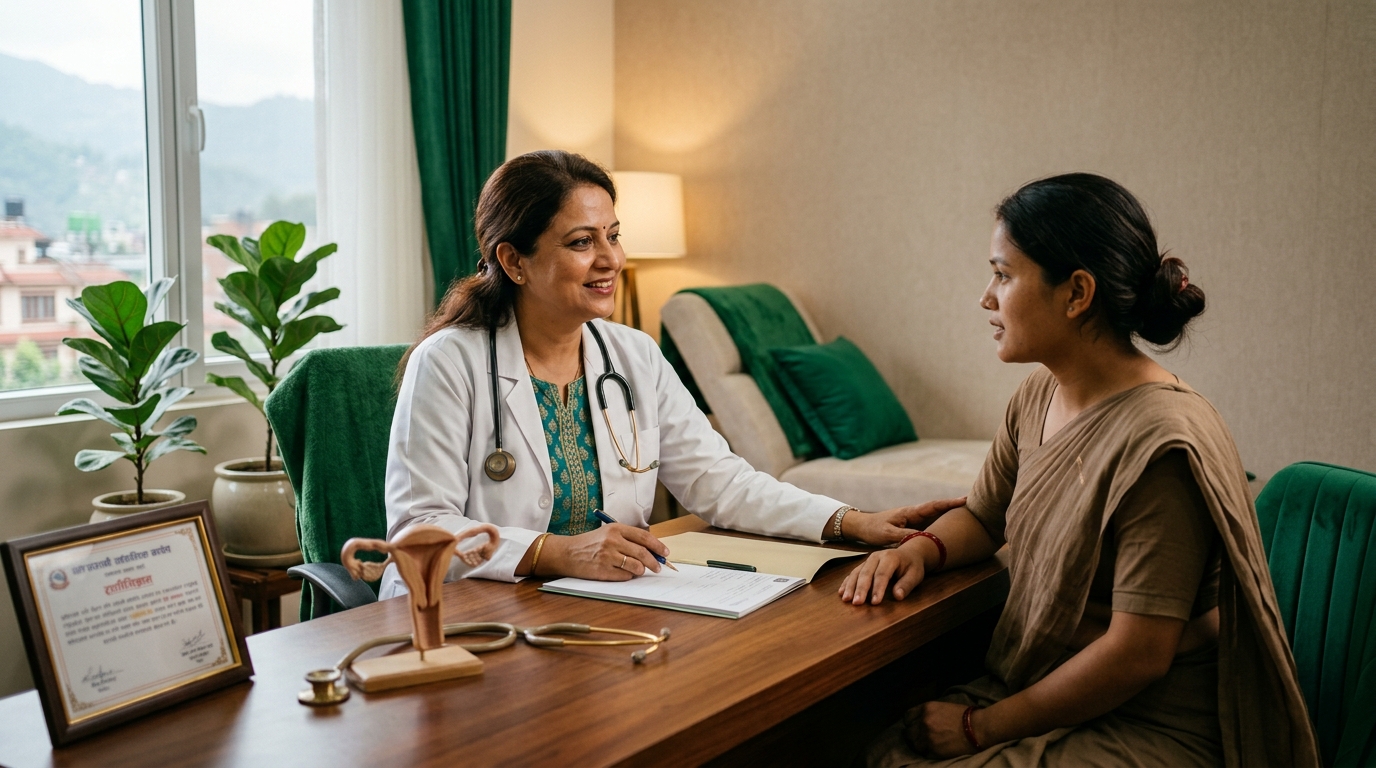
- Medically verified safe abortion guidance under Nepal law.
- Strict patient confidentiality guaranteed.
- Consult directly with senior female gynecologists.
Abortion recovery time after a surgical abortion is usually 1 to 2 days. Learn what to expect, how long bleeding lasts, and the warning signs to watch for.
What to Expect After an Abortion and Recovery After Having an Abortion: Surgical Abortion Guide

The procedure itself is short. A surgical abortion usually takes about 10 minutes. It's the hours and days afterwards that leave most people with questions. How long will the bleeding last? Is this much cramping normal? When can I go back to work?
This guide walks through abortion recovery time step by step, so you know what to expect after an abortion and how to look after yourself. Every body heals a little differently, so read the timelines as a general guide, not a promise.
What Happens After a Surgical Abortion?
Once the procedure is done, you'll rest in a recovery room for a while. A nurse or doctor checks your bleeding, your pain and how you're feeling before you go home. If you had a sedative, you may feel drowsy, so bring someone with you.
At our clinic, surgical abortion is done with gentle MVA (manual vacuum aspiration) between 5 and 12 weeks of pregnancy. The doctor confirms the procedure is complete before you leave, which is one less thing to worry about at home.
In the first few hours, it's common to feel:
-
Period-like cramps
-
Mild nausea
-
Tiredness or a little dizziness
-
Sudden mood changes
None of this means something has gone wrong. If it feels like too much, tell the staff before you leave.
Abortion Recovery Time: A Realistic Timeline
Most people feel fit and well enough to return to normal activities within a day or two. Full recovery, when your cycle and energy settle back to normal, takes a little longer.
The first 24 hours after your abortion
Expect tiredness, cramps and light to moderate bleeding. Rest, drink water, and eat something warm. Don't plan anything demanding today.
48 hours after the procedure
Cramps usually ease by now. Many people go back to work, college or household tasks at this point, especially desk-based ones. If your work involves lifting or long hours on your feet, give yourself an extra day or two.
Weeks after the abortion
Bleeding keeps getting lighter over the next one to two weeks. Your body then slowly resets, and your next period usually arrives within 4 to 8 weeks.
Bleeding After a Surgical Abortion
Bleeding is what worries people most, and it rarely follows a neat pattern. It's normal to have some bleeding after an abortion. Here is what's typical:
-
It may start light, pause for a day, then come back
-
Some people bleed for only a few days, others spot on and off for up to two weeks
-
Light spotting can take up to 10 days to disappear, and sometimes a little longer
-
Small clots are common
Use sanitary pads rather than tampons for the first week or so. Tampons can raise the risk of infection while the cervix is still closing. Using pads also makes it easier to see how heavy the bleeding really is.
Cramps and Pain: What's Normal?
Cramping feels like period pain, and for most people it fades within two or three days. A hot water bottle on your lower belly helps. So does paracetamol or ibuprofen, unless your doctor has told you otherwise. Slow walks around the house can ease the ache too.
What isn't normal is pain that keeps getting worse instead of better. See the warning signs below.
How to Take Care of Yourself After an Abortion
Looking after yourself is the part you control, and small habits make a real difference.
Rest for a day or two. You don't need to stay in bed, but don't push yourself either.
Eat and drink properly. Warm meals, plenty of water and iron-rich food such as lentils, spinach and eggs help your body rebuild.
Keep the vagina clear for about a week. That means no sex, tampons or menstrual cups. Follow your doctor's advice if they suggest a different time.
Skip heavy exercise at first. Running, the gym and heavy lifting can wait a few days.
Come back for your check-up. A quick review confirms you're healing well. If you're unsure whether something is normal, our gynae OPD is there for exactly that, and a video X-ray (USG) can be arranged if your doctor wants a closer look.
Can You Get Pregnant Again Right Away?
Yes, and many people don't realise it. Ovulation can return as early as two weeks after an abortion, before your first period. So you can get pregnant even if you haven't bled normally yet.
If you do not want to get pregnant soon, talk to your doctor about contraception before leaving the clinic. Many methods can be started straight away. You can read about the options on our family planning page.
If you want to get pregnant in the future, there's usually no medical need for a long wait. Many doctors suggest waiting for one normal period first, mainly because it makes your dates easier to track.
Your Emotions After an Abortion
People feel all kinds of things afterwards: relief, sadness, guilt, numbness, or several of these in one afternoon. None of them proves you made the wrong choice. Hormones also shift in the first week, which can make everything feel louder.
Be patient with yourself and talk to someone you trust. If low mood hangs around or starts getting in the way of daily life, ask for support. Our team offers private counselling, and our guide on unwanted pregnancy explains how we support you.
Warning Signs: When to Get Medical Help
Complications are uncommon, but you should know what to look for. Contact the clinic or go to a hospital straight away if you have:
-
Bleeding that soaks two or more pads an hour for two hours in a row
-
A fever of 38°C (100.4°F) or higher, or chills
-
Severe belly pain that medicine doesn't relieve
-
Foul-smelling vaginal discharge
-
Clots larger than a lemon
-
Pregnancy symptoms that don't go away
If you're travelling soon after your procedure, make sure you know how to access emergency services at your destination. It takes five minutes and gives real peace of mind.
Surgical vs. Medical Abortion: How Recovery Differs
With a medical abortion, the pills cause heavier bleeding and cramps over several hours, usually at home. With a surgical abortion, the heaviest part is over in minutes in the clinic, though lighter spotting can follow for days.
Neither is easier for everyone. The right choice depends on how many weeks pregnant you are, your health and your own comfort. Medical abortion is generally used up to about 8 to 9 weeks, while surgical care covers 5 to 12 weeks. Our guide to medical abortion in Kathmandu explains the other route in detail.
Quick Recovery Checklist
-
Rest for 24 to 48 hours
-
Use pads, not tampons
-
Avoid sex for about a week, or as advised
-
Take pain relief if you need it
-
Plan your contraception
-
Attend your follow-up
-
Know the warning signs
Frequently Asked Questions
How long does abortion recovery time last?
Most people return to normal activities in 1 to 2 days. Bleeding can continue for up to two weeks, and your period usually returns in 4 to 8 weeks.
Can I go back to work the next day?
Often yes, if your job is light. Take longer if you feel weak or have heavy cramps.
Is it normal to have some bleeding after the abortion?
Yes. Light bleeding or spotting is expected. Soaking two pads an hour for two hours is not.
Need Support? We're Here to Help
If something about your recovery feels off, or you just want to ask a question, you can come to us. At Khushi Abortion Center in Kalanki, our female doctors look after women before the procedure, during it, and in the weeks after. We'll check how you're healing, answer whatever you're wondering about, and talk through contraception if you want it. Everything stays private, and nobody will judge you.
Not sure if what you're feeling is normal? Get in touch and we'll help you work out the next step
For confidential assistance or same-day appointments, contact Khushi Abortion Center in Kalanki, Kathmandu.
100% Confidential Healthcare Notice
Information provided in this article complies with Nepal Medical Council standards and is for educational empowerment. Individual medical decisions should always be confirmed via clinical consultation and pelvic ultrasound.
Have Personal Questions?
Speak directly with certified female doctors. No judgment, no parental or spousal consent required, 100% private.
Related Clinical & Legal Guides
Continue learning with verified medical facts from our gynecological team.
How Many Weeks Is Abortion Safe? Limits by Method
Abortion is safest the earlier it’s done. In the first 12 weeks with a trained provider, it carries very low risk, and risk rises gradually in the second trimester. This blog explains the safe time frame week by week, Nepal’s legal limits, medical vs surgical methods, who may need extra care, and what recovery looks like.
Safe Abortion Care in Nepal: Methods, Access & What to Expect
Safe abortion is legal in Nepal: up to 12 weeks by a woman’s own choice, and up to 28 weeks in special cases. It is very safe when a trained provider does it at an approved facility, using pills (up to about 9 weeks) or a short surgical procedure (MVA). Early care from a licensed provider is the best next step.
Abortion Cost in Nepal: 2026 Guide to Safe & Legal Pricing
Find out the actual abortion cost in Nepal for 2026. Compare pricing for pills and MVA procedures at certified clinics and learn about free public services.
Need Discreet, Caring Medical Assistance in Kathmandu?
Our female doctors are available 7 days a week to provide safe ultrasound scans, FDA-approved abortion pills, and 10-minute MVA suction in Kalanki.