Knowledge, Safety & Legal Rights for Every Woman
Written and medically reviewed by senior female gynecologists in Kathmandu. 100% judgment-free facts on Nepal abortion laws, pill protocols, 10-minute MVA suction, and post-care recovery.
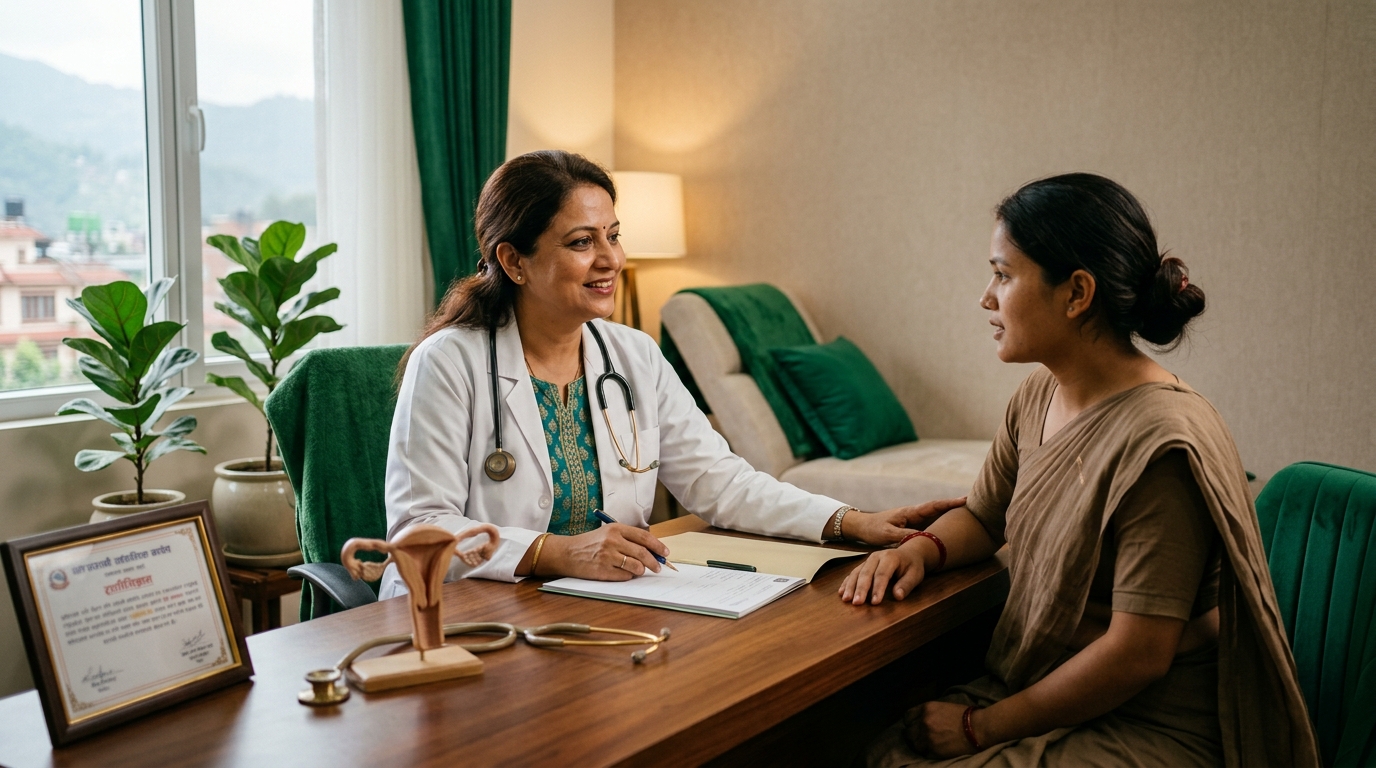
Manual Vacuum Aspiration (MVA) & Medical Abortion in Kathmandu, Nepal: The Complete Patient Guide
According to the World Health Organization (WHO), abortion is an exceptionally safe medical procedure when conducted by qualified doctors in authorized facilities. Learn about Manual Vacuum Aspiration (MVA), medical abortion pill regimens, safety standards, eligibility, procedure duration, and confidential aftercare in Kathmandu, Nepal.
- Abortion is 100% legal in Nepal up to 12 weeks of pregnancy on voluntary choice under the Safe Motherhood Act 2018.
- Manual Vacuum Aspiration (MVA) is recommended by the WHO as the safest surgical technique in the first trimester, completed in just 5 to 10 minutes.
- MVA uses gentle suction with a smooth flexible cannula, avoiding sharp metal curettage (D&C) and protecting future fertility.
All guides published on Khushi Abortion Clinic strictly comply with Nepal Medical Council ethics and the Safe Motherhood and Reproductive Health Rights Act 2018.
All Educational Articles
Showing 10 verified clinical guides
Medical Abortion in Nepal: What to Expect, Day by Day
Medical abortion in Nepal is legal up to 12 weeks and uses two medicines: mifepristone on Day 1 and misoprostol on Day 2. Expect strong cramps and heavy bleeding, and go to a health facility at once if you soak two pads in 30 minutes or have a fever that does not settle. A follow-up on Day 14 confirms it worked, and government hospitals provide the service free of charge.
How to Do a Pregnancy Test at Home: Urine and Blood Tests
Learn how to do a pregnancy test at home with a urine kit and read your result correctly. Understand how blood tests work and when to test for the most accurate answer. Know what to do next if your result is positive, negative or unclear.
FPAN Valley Clinic Kathmandu: Services, Address & Contact
The Family Planning Association of Nepal (FPAN) Valley Clinic is Kathmandu’s well-known branch for family planning, safe abortion and general reproductive health care. This guide covers its services, how to confirm its current details, answers to common family planning questions, and an alternative in Kalanki for those who prefer a different location.
How Safe Are Abortions? Risks, Facts & Recovery
Abortion is very safe when it’s done early, with a method that suits the stage of pregnancy, and by a trained provider. The real danger comes from unsafe abortion, not the procedure itself. This blog covers the risks, medical vs surgical methods, recovery, and when to see a doctor, so you can make an informed decision.
How Many Weeks Is Abortion Safe? Limits by Method
Abortion is safest the earlier it’s done. In the first 12 weeks with a trained provider, it carries very low risk, and risk rises gradually in the second trimester. This blog explains the safe time frame week by week, Nepal’s legal limits, medical vs surgical methods, who may need extra care, and what recovery looks like.

Safe Abortion Care in Nepal: Methods, Access & What to Expect
Safe abortion is legal in Nepal: up to 12 weeks by a woman’s own choice, and up to 28 weeks in special cases. It is very safe when a trained provider does it at an approved facility, using pills (up to about 9 weeks) or a short surgical procedure (MVA). Early care from a licensed provider is the best next step.
Abortion Cost in Nepal: 2026 Guide to Safe & Legal Pricing
Find out the actual abortion cost in Nepal for 2026. Compare pricing for pills and MVA procedures at certified clinics and learn about free public services.
Abortion Recovery Time: 7 Steps for a Safe Recovery
Abortion recovery time after a surgical abortion is usually 1 to 2 days. Learn what to expect, how long bleeding lasts, and the warning signs to watch for.
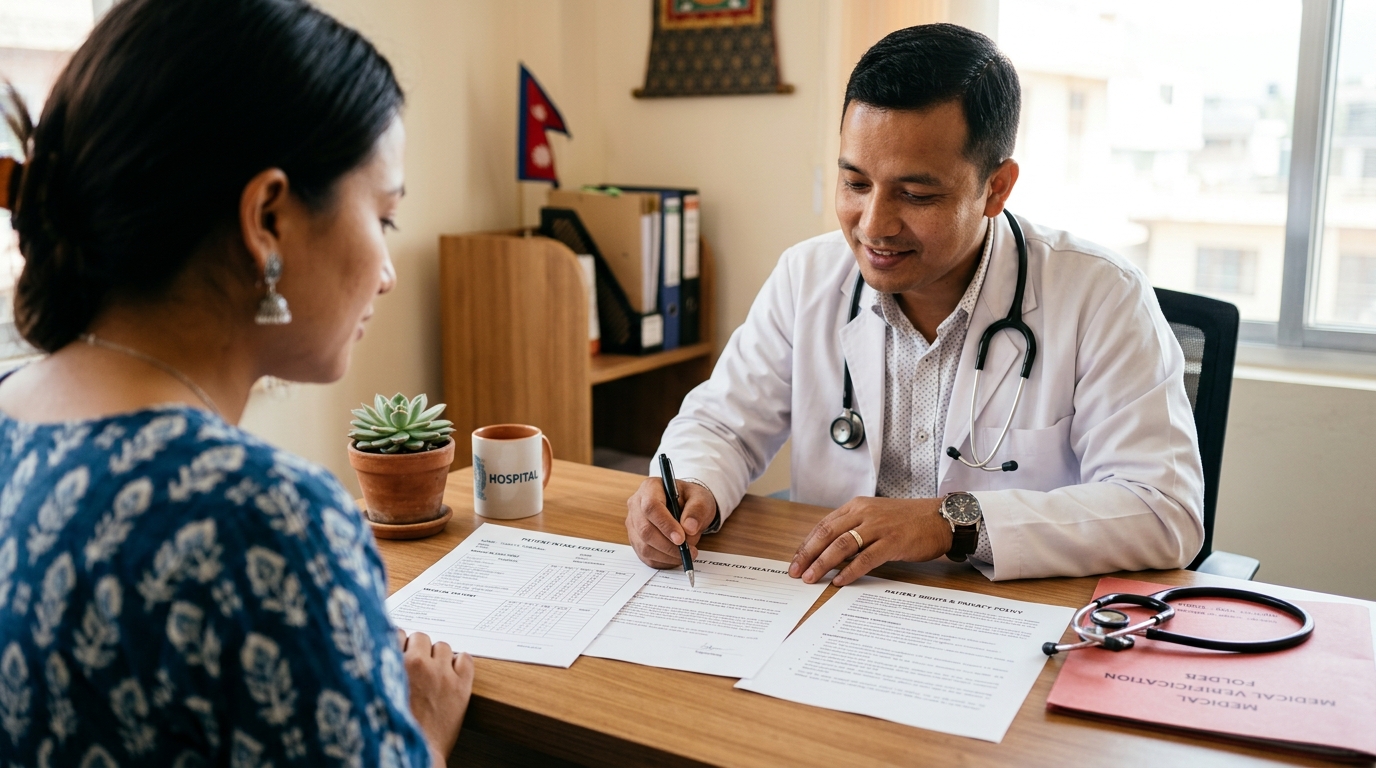
Documents Required for Abortion in Nepal: What Do You Need?
Wondering which documents are required for an abortion in Nepal? Learn about government ID rules, why parents or husbands do not need to give permission for adults 18+, unmarried women's legal rights, and on-site testing at Khushi Abortion Center in Kalanki, Kathmandu.
Manual Vacuum Aspiration (MVA) & Medical Abortion in Kathmandu, Nepal: The Complete Patient Guide
According to the World Health Organization (WHO), abortion is an exceptionally safe medical procedure when conducted by qualified doctors in authorized facilities. Learn about Manual Vacuum Aspiration (MVA), medical abortion pill regimens, safety standards, eligibility, procedure duration, and confidential aftercare in Kathmandu, Nepal.
Need Discreet, Caring Medical Assistance in Kathmandu?
Our female doctors are available 7 days a week to provide safe ultrasound scans, FDA-approved abortion pills, and 10-minute MVA suction in Kalanki.