How Safe Are Abortions? Risks, Facts & Recovery
Abortion is very safe when it’s done early, with a method that suits the stage of pregnancy, and by a trained provider. The real danger comes from unsafe abortion, not the procedure itself. This blog covers the risks, medical vs surgical methods, recovery, and when to see a doctor, so you can make an informed decision.
- Medically verified safe abortion guidance under Nepal law.
- Strict patient confidentiality guaranteed.
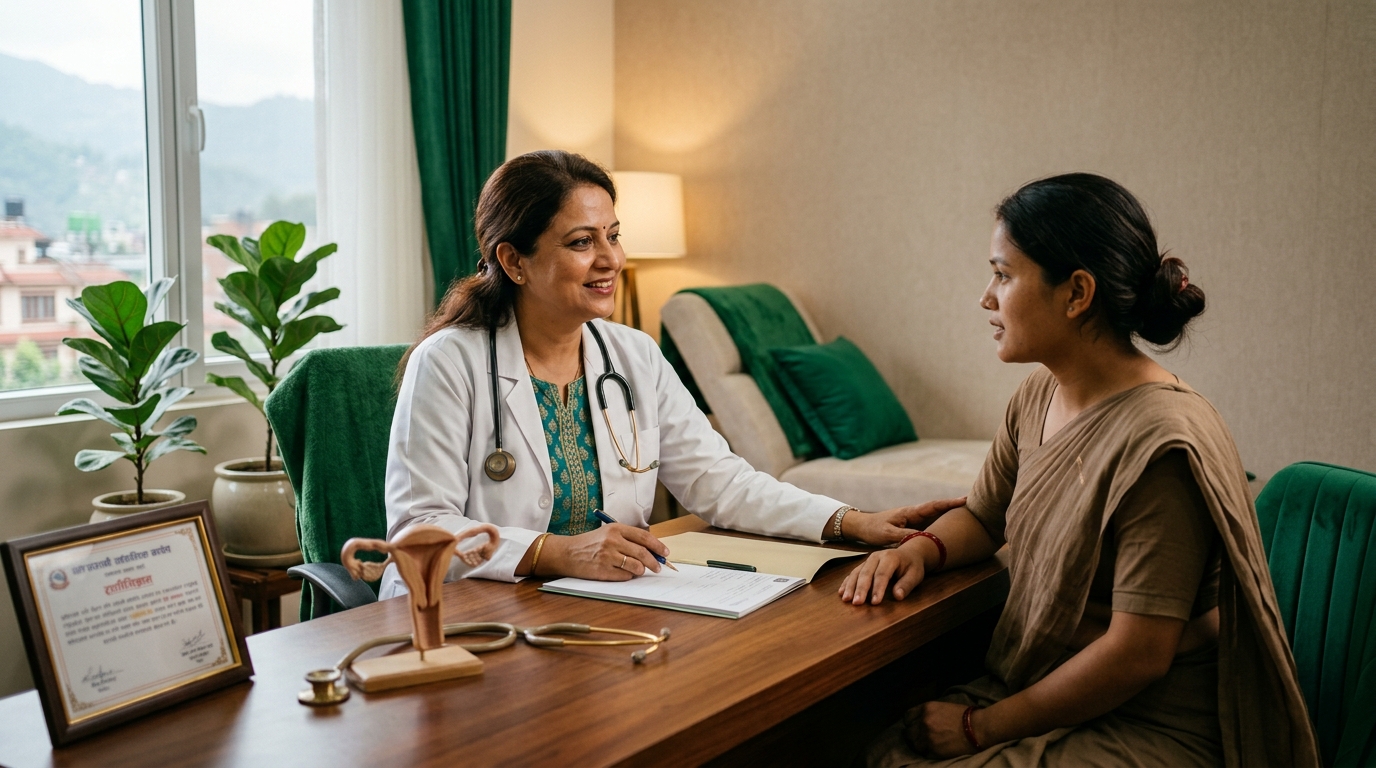
- Consult directly with senior female gynecologists.
Abortion is very safe when it’s done early, with a method that suits the stage of pregnancy, and by a trained provider. The real danger comes from unsafe abortion, not the procedure itself. This blog covers the risks, medical vs surgical methods, recovery, and when to see a doctor, so you can make an informed decision.
How Safe Are Abortions? Risks, Facts & Recovery

If you’re here, you probably have a lot on your mind. Maybe you’re deciding what to do, maybe you’re helping someone you love, or maybe you just want the facts without the lecture. So let’s start with the short answer.
How safe are abortions? When the method suits the stage of pregnancy and a trained provider is involved, abortion is one of the safest procedures in healthcare. Everything else in this post is about what that “when” really means.
What the Evidence Actually Says
The WHO puts it simply: abortion is safe when it’s done with a recommended method, at the right stage of pregnancy, by someone trained.
The gap between safe and unsafe care is huge. Where abortion is broadly legal, nearly 9 in 10 abortions are safe. Where it’s heavily restricted, only about 1 in 4 are. Restrictions don’t stop abortions from happening. They just push people toward unsafe ones.
In the US, a large NASEM review found that serious complications from legal abortion are rare, and the risk of death is much lower than with childbirth.
So, is abortion safe or not? In a clinical setting with proper care, yes. Unsafe abortion is a different story, and it’s still a major cause of preventable deaths worldwide.
Are Abortions Safe for the Mother?
For most women, yes. A few worries come up again and again, so here’s what research says:
-
Future fertility: An uncomplicated abortion doesn’t reduce your chances of getting pregnant later.
-
Future pregnancies: A single abortion hasn’t been linked to problems in later pregnancies.
-
Breast cancer: There’s no evidence of a link.
-
Mental health: Studies haven’t found that abortion itself causes long-term mental health problems. How you feel afterwards is personal. Some people feel relief, some feel sad, and plenty feel both.
Your own health history still counts, though. Bleeding disorders, severe anaemia, or an ectopic pregnancy can change the plan, which is why a check-up comes first. Not sure what to expect? Here’s what happens at a consultation.
What Is the Safest Method of Abortion?
There’s no single safest method for everyone. The safest one is whichever fits your pregnancy stage and health, done by trained hands.
Medical abortion means taking two medicines, mifepristone and then misoprostol. It’s used in early pregnancy and works in about 95 to 98 out of 100 cases. Expect cramping and bleeding, a bit like a heavy period. Many people manage it at home after proper guidance.
Surgical abortion is a quick clinic procedure, usually gentle suction. Providers often suggest it when pills aren’t suitable, haven’t worked, or the pregnancy is further along. It takes minutes, and most people go home the same day.
Both are safe when done properly. What actually puts people at risk isn’t the method. It’s going without medical care.
Are Abortion Pills 100% Safe?
No, and anyone who says they are isn’t being straight with you. Abortion pills are very safe and effective when used correctly, but a few people run into trouble:
-
Heavy bleeding (soaking two thick pads an hour for two hours)
-
Infection
-
Pregnancy tissue left behind
-
Pills that don’t work, so the pregnancy continues
Most of these are easy to treat when caught early. The risk climbs when pills come from unverified sellers, get taken without knowing how far along you are, or aren’t followed up. If pills are your choice, go through trusted safe abortion services so your pregnancy stage is confirmed first.
What Are the Odds of Surviving an Abortion?
It’s a scary question, but the answer is reassuring. Where safe, legal care exists, death from abortion is extremely rare, rarer than death from childbirth. The risk goes up the later the abortion happens, which is one reason earlier is generally safer.
The real danger is unsafe abortion. WHO estimates around 39,000 deaths a year from it, and says nearly all of them are preventable. That’s the number worth worrying about, not abortion done safely.
Why Do Some People Say Abortion Should Be Avoided?
Let’s split this into two parts.
Medically, the real reasons to avoid an abortion are unsafe ones: an untrained provider, the wrong method, or no follow-up. Waiting too long adds risk too.
Personally, many people have moral, religious, or emotional views, and those deserve respect. But fear shouldn’t make this choice for you. If you’re torn, counselling can help you sort through your feelings without pressure.
Is It Safe to Have an Abortion in Nepal?
Nepal legalised abortion in 2002. Under the Safe Motherhood and Reproductive Health Rights Act of 2018, you can have an abortion on request up to 12 weeks, with other provisions for later stages in specific situations. Stick to government-approved facilities with trained staff, and steer clear of unlicensed sellers.
What Recovery Looks Like
Most people bounce back quickly, though everyone’s different.
-
Cramping and light bleeding can last a week or two, easing over time.
-
Many people feel normal within a few days.
-
Skip tampons and sex for about a week, or as your provider advises.
-
Paracetamol or ibuprofen usually helps with cramps.
-
Fertility can return within two weeks, so sort out contraception early.
Emotionally, there’s no right way to feel. Take your time and lean on someone you trust.
See a doctor straight away if you have: very heavy bleeding, fever or chills lasting over 24 hours, severe pain that medicine doesn’t ease, foul-smelling discharge, or feel faint and very weak.
The Bottom Line
So, how safe are abortions? Very safe when done early and properly, and risky when they aren’t. Good information, a proper check-up, and follow-up care matter more than anything else. If you’re unsure about something, talk to a qualified provider before you decide.
For confidential assistance or same-day appointments, contact Khushi Abortion Center in Kalanki, Kathmandu.
Frequently Asked Questions
Common clinical, legal, and privacy questions regarding safe reproductive healthcare in Nepal.
100% Confidential Healthcare Notice
Information provided in this article complies with Nepal Medical Council standards and is for educational empowerment. Individual medical decisions should always be confirmed via clinical consultation and pelvic ultrasound.
Have Personal Questions?
Speak directly with certified female doctors. No judgment, no parental or spousal consent required, 100% private.
Related Clinical & Legal Guides
Continue learning with verified medical facts from our gynecological team.
How Many Weeks Is Abortion Safe? Limits by Method
Abortion is safest the earlier it’s done. In the first 12 weeks with a trained provider, it carries very low risk, and risk rises gradually in the second trimester. This blog explains the safe time frame week by week, Nepal’s legal limits, medical vs surgical methods, who may need extra care, and what recovery looks like.
Safe Abortion Care in Nepal: Methods, Access & What to Expect
Safe abortion is legal in Nepal: up to 12 weeks by a woman’s own choice, and up to 28 weeks in special cases. It is very safe when a trained provider does it at an approved facility, using pills (up to about 9 weeks) or a short surgical procedure (MVA). Early care from a licensed provider is the best next step.
Abortion Cost in Nepal: 2026 Guide to Safe & Legal Pricing
Find out the actual abortion cost in Nepal for 2026. Compare pricing for pills and MVA procedures at certified clinics and learn about free public services.
Need Discreet, Caring Medical Assistance in Kathmandu?
Our female doctors are available 7 days a week to provide safe ultrasound scans, FDA-approved abortion pills, and 10-minute MVA suction in Kalanki.